
Autumn property maintenance for landlords
Practical maintenance checks before cooler, wetter weather.
Autumn is a useful time for Auckland rental owners to check heating, ventilation and drainage before cooler, wetter weather. The cooler months bring more moisture, higher heating demands, and potential weather-related maintenance issues. A seasonal check can identify work to plan and faults that need attention. It does not replace a property-specific Healthy Homes assessment.
At TLC, we assess the issue, recommend what needs doing and follow authorised work through. These checks are a practical starting point for an autumn maintenance plan.
Check heating before colder weather
A functioning heating system is essential for tenant comfort and legal compliance. To avoid last-minute issues:
- Inspect heat pumps, fireplaces, and fixed heaters to ensure they work correctly.
- Clean or replace filters and book servicing before winter demand peaks.
- Check that the main living room has qualifying fixed heating with the required heating capacity, subject to any applicable exemption.
Record faults and arrange appropriate servicing or repairs. Keep the heating assessment and maintenance records with the property file.
Investigate dampness and ventilation
Excess moisture can lead to mould growth, damaging property and affecting tenant health. To keep rental homes dry and healthy:
- Check that bathroom and kitchen ventilation systems operate properly.
- Look for mould, condensation, leaks and other signs of moisture. Establish the cause before deciding what action is needed.
- Inspect door and window seals and check noticeable draughts.
Healthy Homes requirements cover ventilation, moisture ingress, drainage and draught stopping. Check the property’s assessment and any applicable exemptions alongside the physical condition.
Check gutters, downpipes and the roof
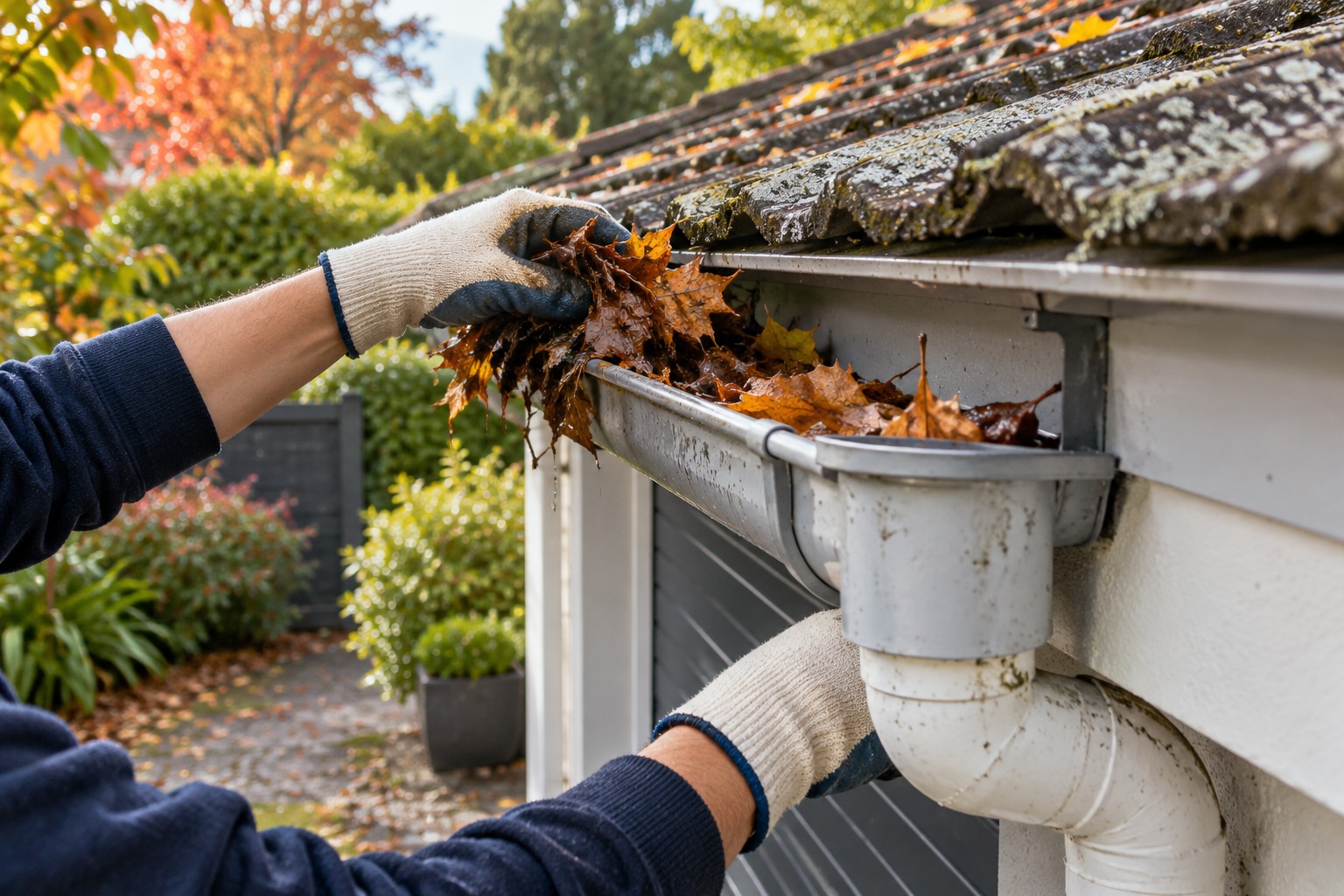
Autumn leaves can quickly clog gutters, leading to water damage and expensive repairs. To prevent issues:
- Remove leaves and debris from gutters to maintain proper drainage.
- Examine the roof for leaks, loose tiles, or rusting metal.
- Ensure downpipes direct water away from the property to prevent flooding.
If access is difficult or work is needed at height, arrange an appropriate contractor. Ask for a clear report on the fault and the work completed.
Review outdoor access and grounds
Check paths, lighting and vegetation for issues that need attention:
- Trim overgrown trees and branches to reduce the risk of storm damage.
- Verify that outdoor lighting functions correctly as daylight hours decrease.
- Remove slippery moss and fallen leaves from driveways and walkways.
Separate required work from items worth planning and those that can wait. Confirm responsibility and cost before giving instructions, then check that the agreed work is finished.
Further Reading
Tenancy Services NZ – Landlord Maintenance Responsibilities
Healthy Homes Standards – NZ Government Guide
Property Investors Federation – Best Practices for Landlords
