
Are Landlords Responsible for Appliances?
Start with what was supplied, establish the fault and make a considered repair decision.
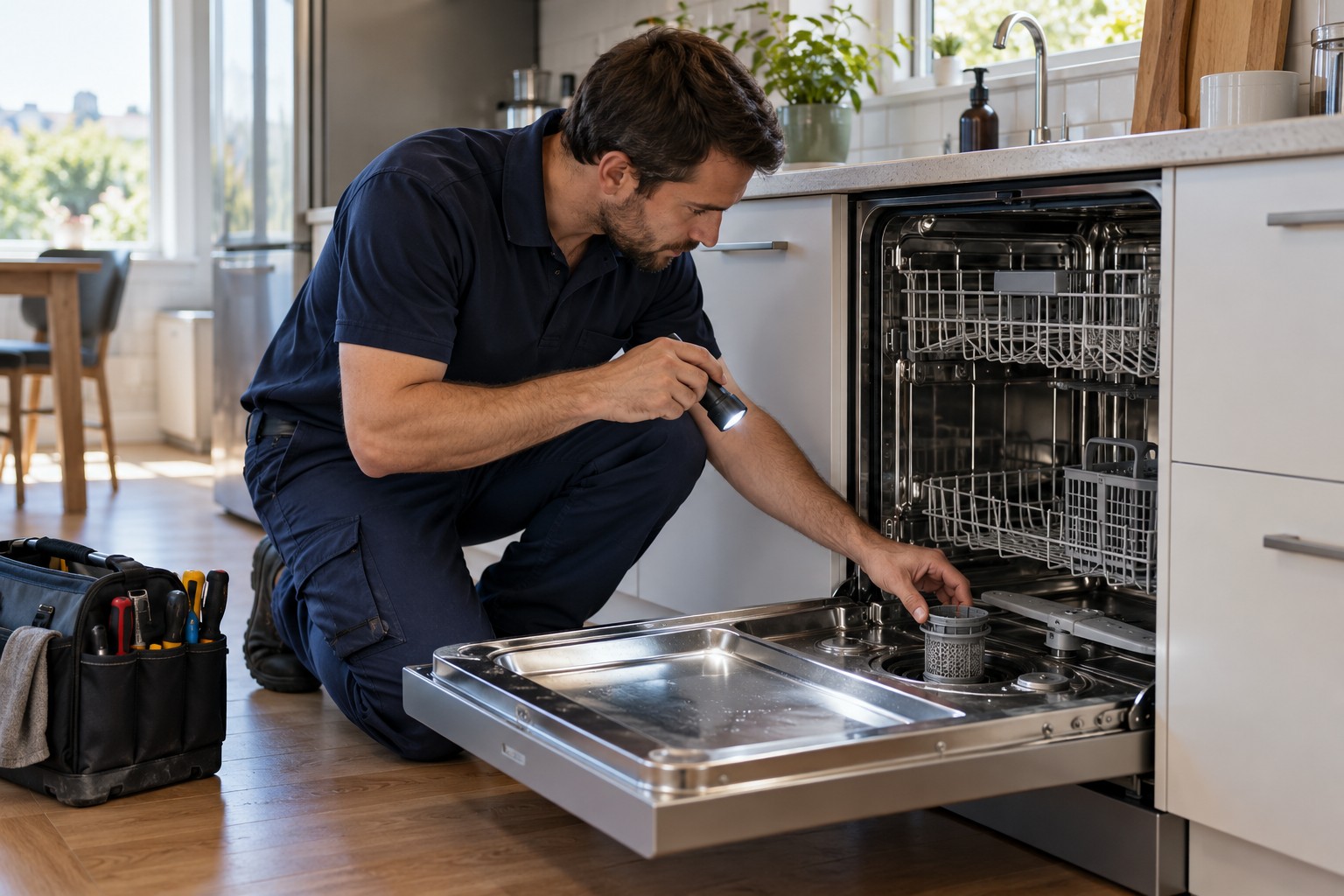
When an appliance fails, the first job is to establish what has happened. An owner needs a clear diagnosis, a view on responsibility and a sensible recommendation about repair or replacement.
Record what the tenancy includes
Keep a clear list of the appliances supplied with the property, their condition and any operating instructions. This helps establish the starting point if a fault is reported later. Avoid assuming that a missing entry on a chattels list settles responsibility by itself.
Separate wear from damage
Tenancy Services explains that tenants are not responsible for fair wear and tear to chattels supplied by the landlord. If damage is careless, liability is generally limited to the lower of four weeks’ rent or the applicable insurance excess. Different rules apply to intentional damage, and the circumstances and evidence matter.
Before deciding who should pay, ask for the symptoms, check the appliance’s age and history, and obtain a technician’s findings where needed. A fault is not proof of misuse.
Make the repair decision commercially
Consider the call out fee, parts availability, warranty and expected life after repair. A cheap repair may be sensible on a sound appliance; repeated visits to an unreliable unit may cost more than replacement. Ask for a written diagnosis and quote before approving significant work.
Where an issue is urgent or could cause injury or further damage, arrange an appropriate response promptly. Keep the tenant informed about access and timing.
Close the matter properly
Retain the job report and invoice, confirm the appliance is working, and record any warranty on the work. If responsibility for payment is disputed, work through the evidence and the applicable rules before making a claim.
Reviewed 15 October 2026. Sources: Tenancy Services: damage and repairs and property maintenance.
